I added the Layer Audio Design Gen-300B to the database this week. It is a 1,499 dollar integrated amplifier built around a pair of 300B valves, running single-ended in pure Class A, and it makes 10 watts a channel into 8 ohms.
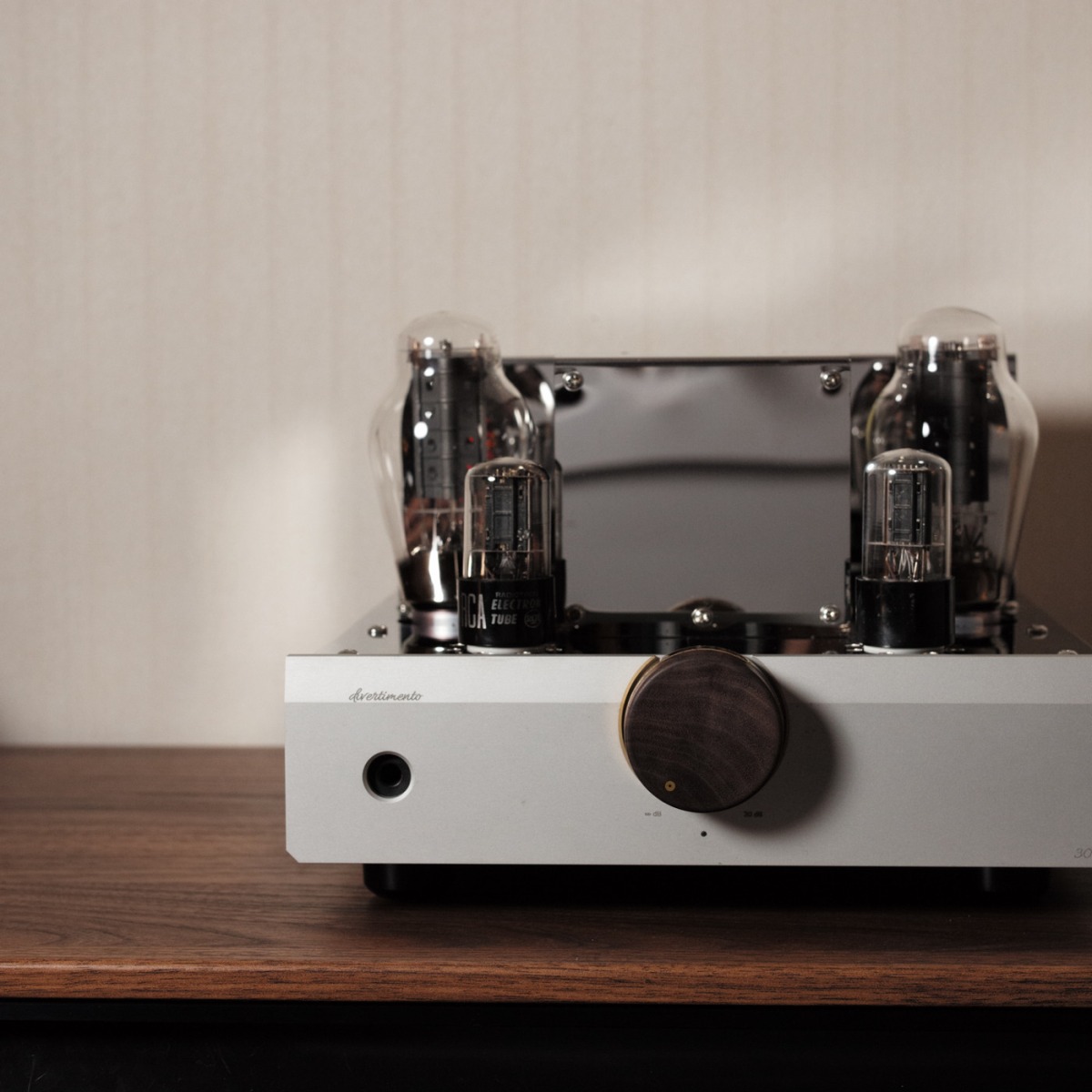 The Layer Audio Design Gen-300B, a single-ended Class A 300B integrated amplifier
That is a small number, and it is the whole point of the post. Rather than repeat what a 300B is supposed to sound like, which I have no way of checking, I went and counted how many of the speakers we list a 10 watt amplifier could actually run.
Quick facts
- The Gen-300B is 1,499 dollars, on preorder, shipping in December.
- 10 watts a channel into 8 ohms, single-ended pure Class A, with 4 and 8 ohm output taps.
- It is the first 300B and the first single-ended amplifier in our database. All 13 valve amps we held before it are push-pull.
- It is now the lowest-power integrated amplifier we list. The next one up is more than twice as powerful.
- Of the 768 stereo speaker pairs where we hold the two figures that decide it, 108 keep proper headroom on 10 watts. Klipsch is 43 of those 108.
What it is
A valve integrated amplifier with five tubes in it: two 300B output valves, two 6N8P drivers and a 5AR4 rectifier. Single-ended means one output valve per channel doing all the work, rather than two sharing it, which is where the low power figure comes from and also why people buy these.
Layer publishes 10 watts a channel into 8 ohms. That matters more than it sounds, because it is the load impedance that a lot of small makers leave off. We passed on a 14,000 dollar 300B amplifier a couple of days ago for exactly that reason: it quoted 4 watts and never said into what.
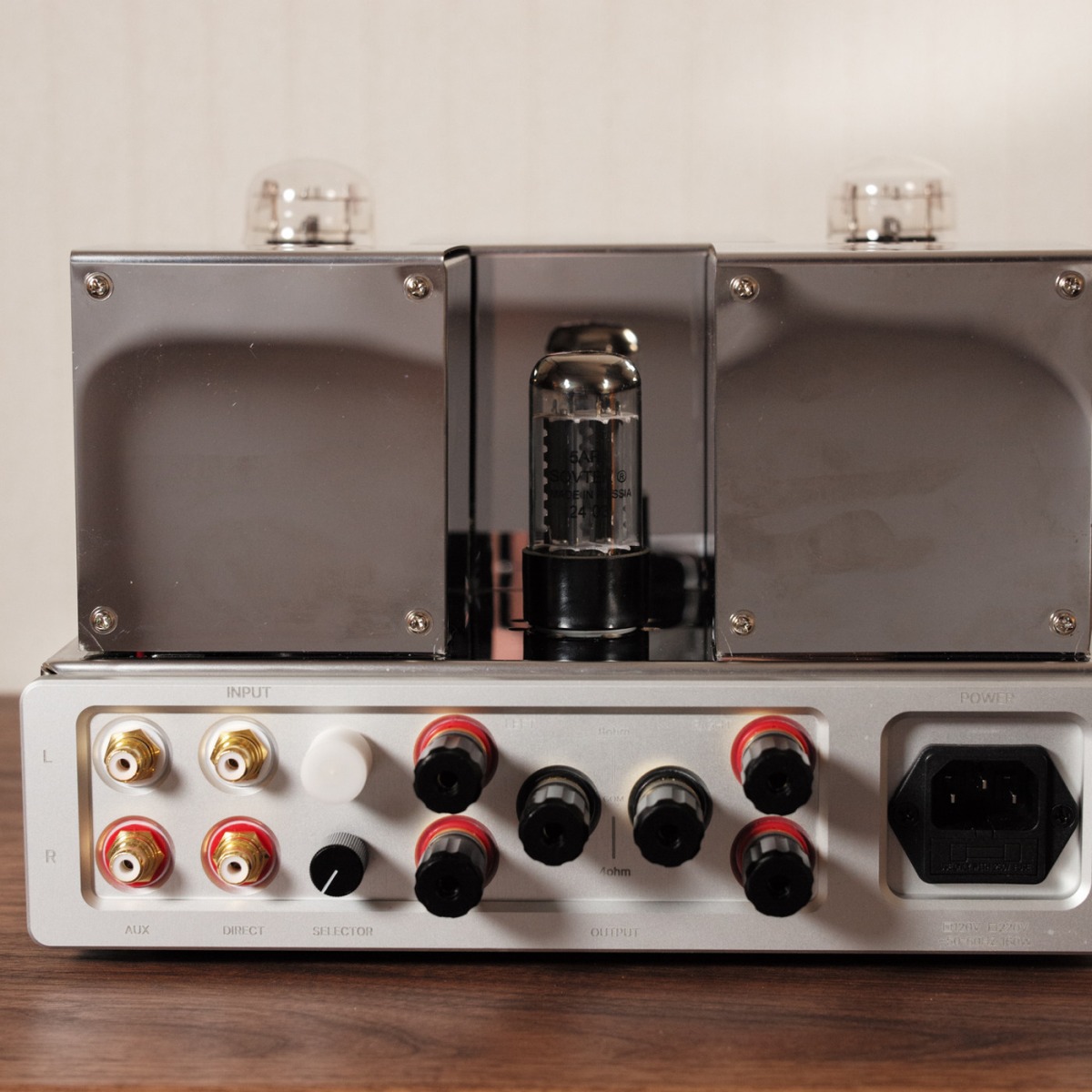 The back panel, with the speaker terminals labelled 8ohm, COM and 4ohm
The back panel settles the rest. Two RCA inputs, one marked AUX and one marked DIRECT, which bypasses the volume control so you can run it from an external preamplifier. A selector between them. Speaker terminals labelled 8ohm, COM and 4ohm, so you pick the tap that suits your speakers rather than relying on the amplifier to cope. A 120 or 220 volt switch.
On the front there is one volume knob and a 6.35mm headphone socket. The headphone output is unusual: it is driven by the same valve circuit and transformer-coupled, rather than a separate solid-state stage bolted on. Layer also sells an adapter called the COPULA that runs headphones straight off the speaker terminals for very inefficient models, and warns you not to treat the speaker taps as a general headphone output, which is sensible advice given what is on the other end.
Layer Audio Design Gen-300B Key Specs
- 10W into 8 ohms (Class A)
- Integrated Amplifier
- Headphone Output
- Optional Bluetooth
- Weight: 16.00 kg
- Dimensions (H x W x D): 210.0 x 335.0 x 265.0 mm
- Read the Review
Every valve amplifier we held was push-pull. All thirteen.
This is what made the Gen-300B worth adding rather than just noting.
That is five of the thirteen, and the pattern holds across all of them. Every one runs EL34, KT88 or KT120. Nine of the thirteen are PrimaLuna. Not one is single-ended, and not one uses a directly heated triode like the 300B.
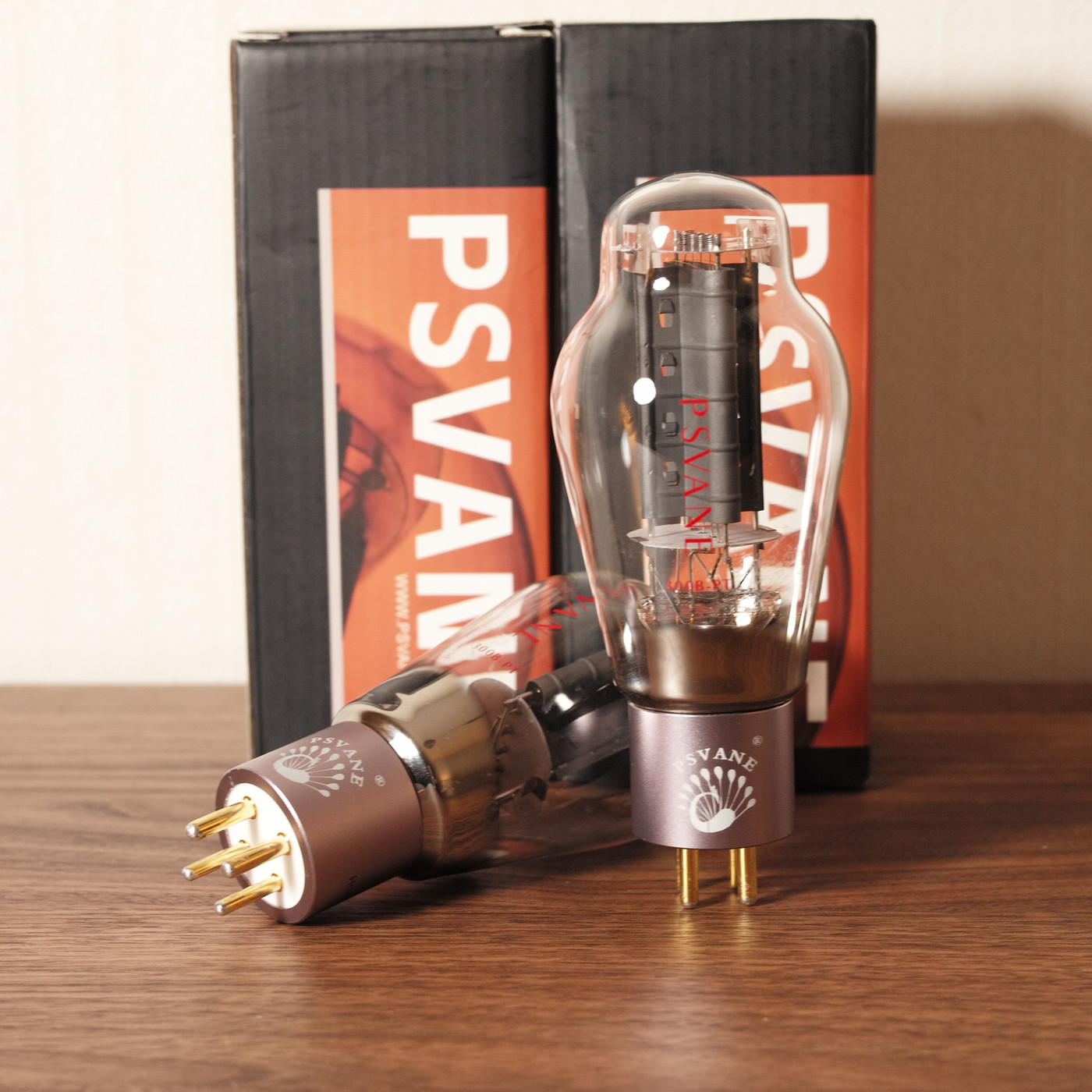 A pair of 300B output valves. One per channel, doing all the work, which is what single-ended means
Two other records fall with it. The Gen-300B is now the lowest-power integrated amplifier in our database. The previous one was the Audioengine N22 at 22 watts. And it ties the Schiit Gjallarhorn F, a 299 dollar power amplifier, for the lowest wattage figure anywhere in the 375 rows.
Against the valve competition the price is the striking part. The cheapest valve integrated we held was the PrimaLuna EVO 100 at 3,295 dollars for 40 watts. The Gen-300B is a quarter of the power for 45 percent of the money.
| FEATURE and SPECS COMPARISON | |  |  |
| Model | Layer Audio Design Gen-300B | PrimaLuna EVO 100 Integrated |
| Type | Integrated Amplifier | Integrated Amplifier |
| Amplifier Class | Class A | Class A/B |
| Power into 8 ohms | 10 watts | 40 watts |
| Signal to Noise Ratio | - | 90 |
| Frequency Bandwidth | - | 10 Hz-32 kHz |
| Built-in DAC | | |
| Analog Inputs | 2 | 5 |
| Phono Input | | |
| HDMI Input | No | No |
| XLR Input | No | No |
| Preamp Outputs | - | Stereo RCA tape out |
| Headphone Output | Yes | Yes |
| Bluetooth | Optional | No |
| Wi-Fi | No | No |
| Handheld Remote | | |
| Height | 210.0mm | 190.5mm |
| Width | 335.0mm | 279.4mm |
| Depth | 265.0mm | 403.9mm |
| Weight | 16.00kg | 17.96kg |
| MSRP | 1499 USD | 3295 USD |
| Check Current Price | Amazon, B&H Photo | Amazon, B&H Photo |
So what can 10 watts drive?
Our amplifier and speaker matcher already does this arithmetic for one pairing at a time, so I ran its formula across the whole catalogue instead.
The settings are the tool's own defaults: 95 dB peaks at the listening seat, three metres away, a stereo pair, three decibels of room gain per doubling of distance, and two decibels knocked off every published sensitivity figure because manufacturers are optimistic. Sensitivity is also read as decibels at 2.83 volts, which costs a 4 ohm speaker three decibels against an 8 ohm one.
Across the 768 passive bookshelf and floorstanding models where we hold both a sensitivity figure and an impedance:
| On 10 watts a channel | Speakers |
|---|
| Can reach that level at all | 283 of 768 |
| Still keep the matcher's minimum 3 dB of headroom | 108 of 768 |
| Brands those 108 come from | 11 |
| Of which Klipsch | 43 |
A 300B amplifier does not narrow your choices a little. It removes 86 percent of the speakers we list, and what is left is concentrated in eleven brands, four of which account for most of it.
That is the honest headline. But 108 speakers is not nothing, and some of them are very good and very cheap.
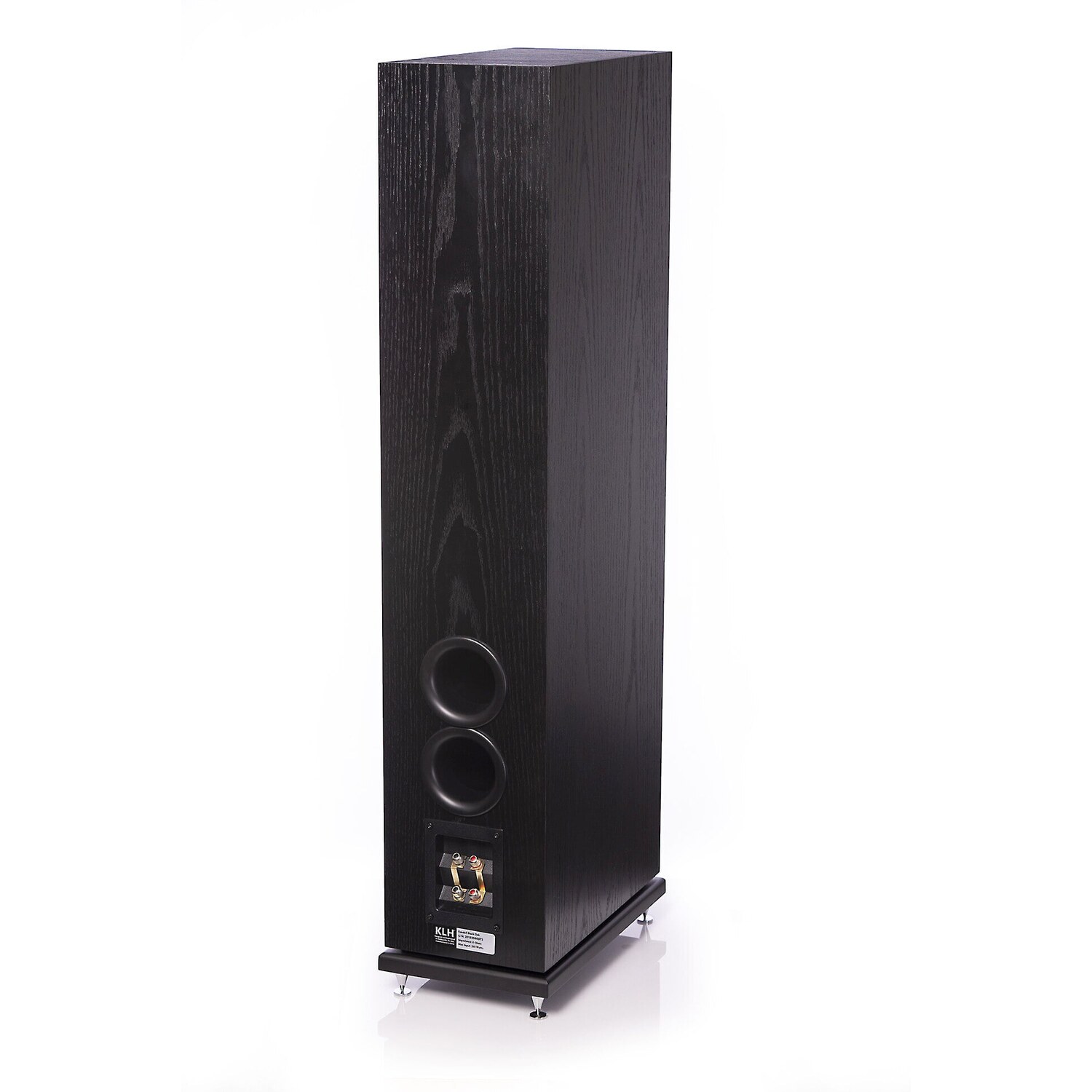 The KLH Kendall, 96 dB and 1,500 dollars a pair. On the matcher's numbers it needs under two watts
And at the other end of the scale, the Tannoy Westminster Royal is 99 dB and 70,000 dollars a pair, and on these numbers it wants less than one watt. That is the world the 300B was designed for.
The dollars-per-watt reality check
Here is the number that makes the Gen-300B look bad, and it is worth printing precisely because the rest of the post is favourable.
At 1,499 dollars for 20 total watts, the Gen-300B costs 74.95 dollars per watt. Of the 206 integrated amplifiers we hold that publish both an 8 ohm power figure and a price, only one is worse: the Pass Labs INT-25 at 167.20 dollars a watt, and that one costs 8,360 dollars.
So the Gen-300B is the second most expensive amplifier per watt in the whole integrated table, while being one of the cheaper ones to actually buy.
Both of those things are true and neither is the point. Watts are the wrong yardstick for this kind of amplifier, in the same way that miles per gallon is the wrong yardstick for a motorbike. But if you have been reading dollars-per-watt comparisons and using them to judge value, this is the model that shows where that measure stops working.
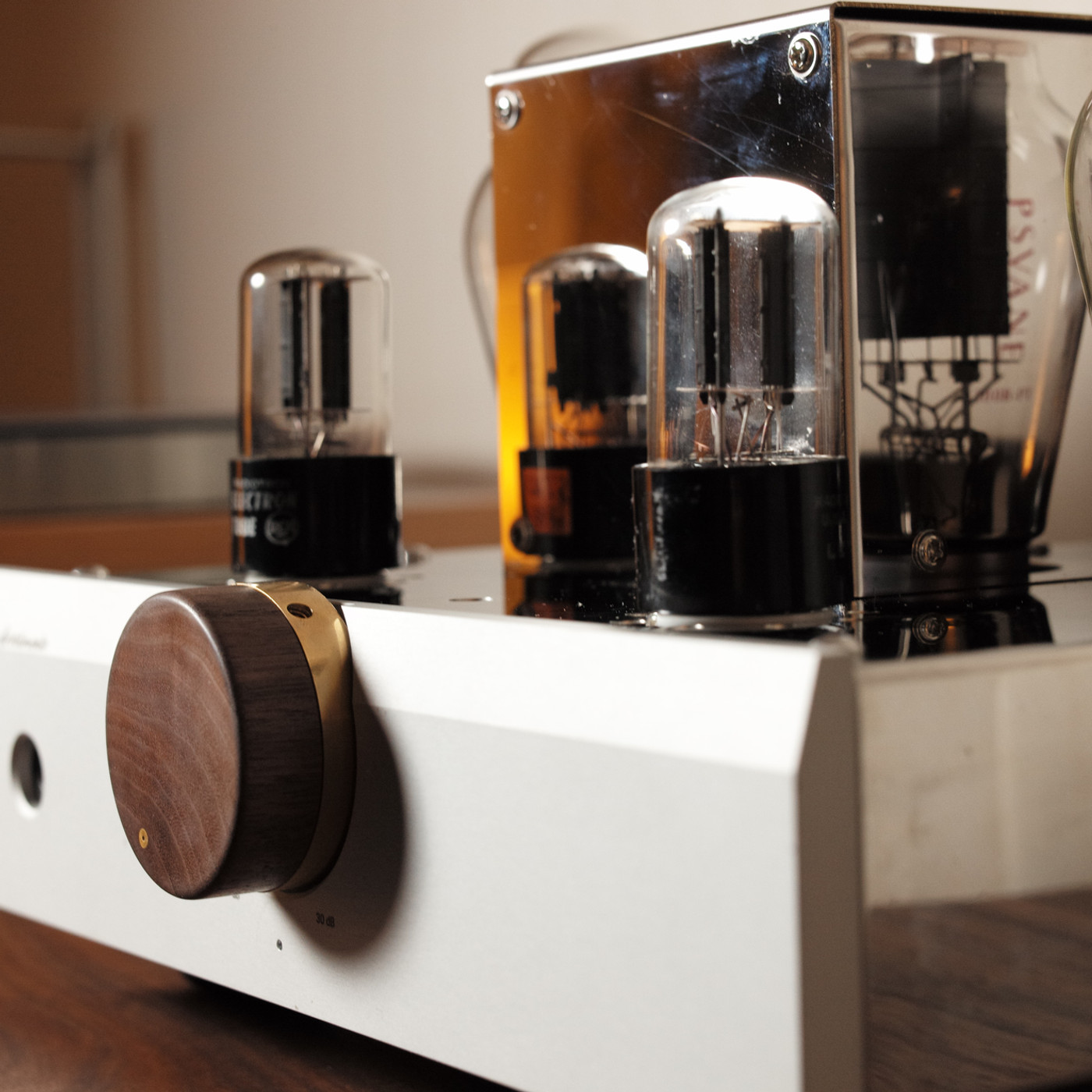 Five valves: two 300B outputs, two 6N8P drivers and a 5AR4 rectifier
Where it is hard to recommend
Four things, and the first is the one I would want answered before ordering.
Layer publishes almost no measurements. No total harmonic distortion. No frequency response. No signal-to-noise ratio. No input sensitivity. And nothing at all about the headphone output, not its power, not its output impedance, even though the headphone output is one of the two things the amplifier is sold on. Our row leaves all of those columns empty, because the alternative is inventing them. At 1,499 dollars that is a lot of blank space.
Layer's own pages have disagreed with each other. An earlier production page listed the weight as 40 pounds and the current preorder page says 36, same chassis, same dimensions. The price has moved too, from an early bird 899 through 1,059 to the 1,499 on the page today. We store 36 pounds and 1,499 because that is what the live page says, but this is a company still settling its own numbers.
It is a very small company. Layer Audio Design's online store has five products on it today, including the isolation feet and the headphone adapter. There is no long back catalogue, no dealer network to speak of, and it is direct sales. That is not a reason not to buy, but it changes what happens if something goes wrong in year three, and a valve amplifier is a product where that matters.
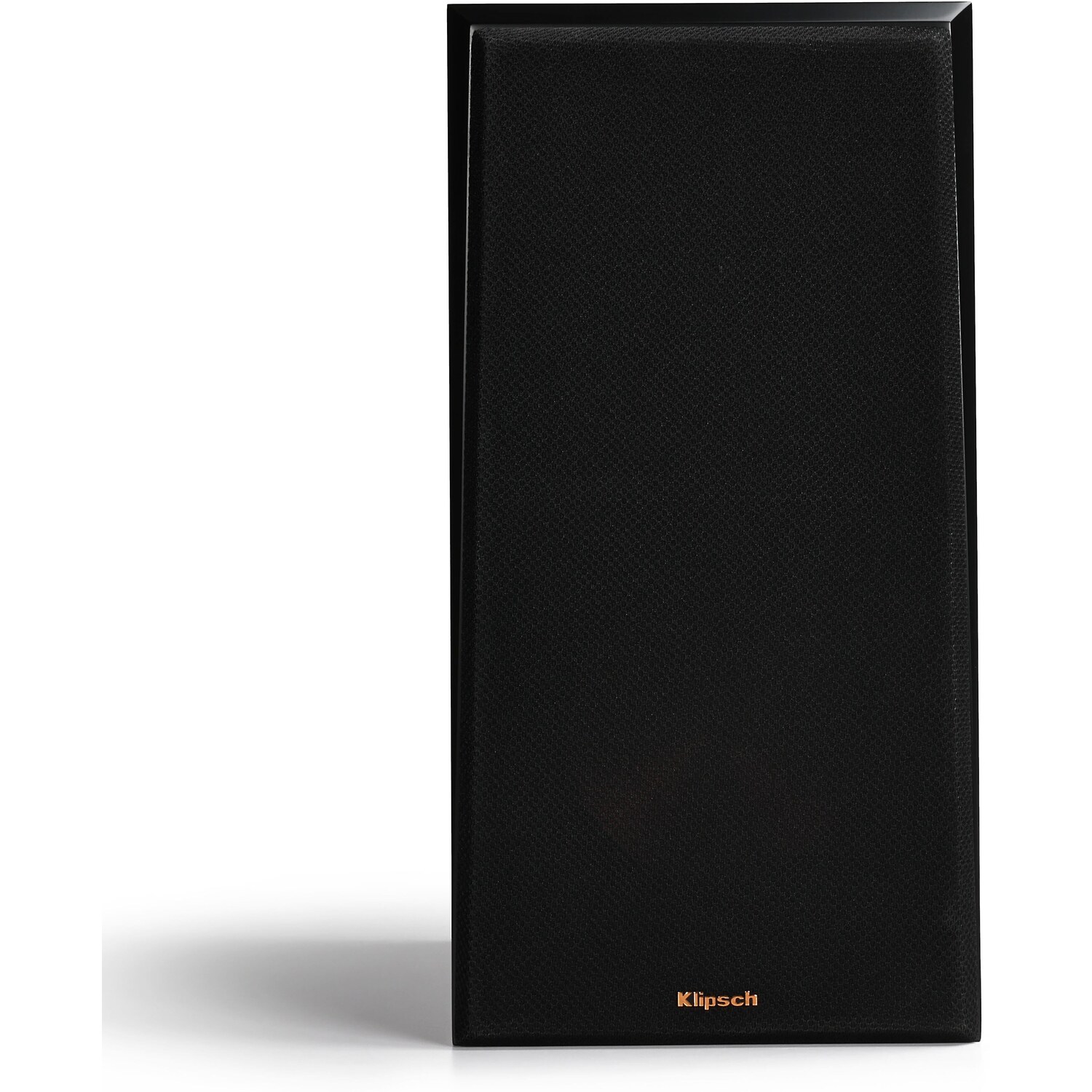 The Klipsch RP-600M, 96 dB for 459 dollars. Klipsch is 43 of the 108 speakers that keep proper headroom on 10 watts
It rules out most speakers, and it leans heavily on one brand. 108 of 768 is not a shortlist, it is an eighth of the catalogue, and 43 of those 108 are Klipsch. If you do not like horns, the list gets short quickly.
One more caveat on my own numbers. The matcher assumes published sensitivity is measured at 2.83 volts and knocks two decibels off it, because that is what most of the catalogue's figures actually are. If a maker publishes a genuine 1 watt at 1 metre figure instead, its speaker is easier to drive than the table above says. The direction of the error is known, and it is conservative.
Questions answered
Is 10 watts enough?
For 108 of the 768 stereo speakers we hold both figures for, yes, with the matcher's minimum headroom intact. For another 175 it will reach normal listening levels but with less reserve than we would call comfortable. For the remaining 485 it will not. The deciding figures are sensitivity and impedance, not the size of the speaker.
What does single-ended mean?
One output valve per channel does the whole waveform, instead of two valves sharing it between them. It is why the power figure is small. Every other valve amplifier we list is push-pull, which is the two-valve arrangement.
Which speakers should I look at with it?
Start with the high sensitivity brands: Klipsch, Fyne Audio, Focal, Tannoy, Paradigm and Triangle between them account for most of the 108. The Klipsch RP-600M at 459 dollars and the KLH Kendall at 1,500 are the two that need the least power for the money. Run your own shortlist through the amp and speaker matcher.
Can I use it as a headphone amplifier?
Yes, and that is half of what it is designed for. The front socket is 6.35mm and is driven by the same valve circuit through a transformer, not by a separate chip. Layer says it was designed for broad compatibility rather than maximum output, and sells a separate adapter for very inefficient planar headphones. It publishes no headphone power figure, so we cannot tell you how much it delivers.
How does it compare with the other cheap valve amplifiers you list?
There is no direct comparison, which is the point. The nearest valve integrated is the PrimaLuna EVO 100 at 3,295 dollars and 40 watts, and it is a push-pull EL34 design, a different kind of amplifier that happens to also use valves. The FiiO EA13 at 770 dollars is cheaper still but it is a power amplifier, not an integrated, and also push-pull.
Is it available now?
No. It is on preorder at the time of writing, with shipping estimated for December. Bluetooth is a paid option rather than standard, which is why our row records it as optional rather than yes or no.
If you had 1,499 dollars and a pair of 96 dB speakers, would you take 10 single-ended watts over 100 push-pull ones, or is that a trade you would need to hear first?